
Hotel design trends: how hotels have evolved from the 80s to Today
Hotel design trends have undergone profound changes over the past forty years. Claudio Devoto looks back at the evolution of hotel design, from the classical styles of the 80s and 90s to the experimentation of the 2000s and today’s contemporary hotels, where wellness, technology, acoustic comfort, and new ways of experiencing spaces have taken centre stage.
The evolution of hotel design through Claudio Devoto’s eyes
Stepping into a hotel from the 80s and entering a contemporary one means encountering two profoundly different approaches to hospitality. It is not just furniture styles, materials or colours that have changed: guest expectations, the functions of spaces, technologies, regulations and, above all, the very role of design has evolved.
To explore the evolution of hotel design trends, we have chosen a unique perspective: that of Claudio Devoto, who has been working in the world of bespoke furniture and interiors since 1979 and has personally witnessed more than four decades of transformation in the hospitality industry.
From the intricate inlays and decorative mouldings of the 80s to the experimentation of the early 2000s, and on to contemporary hotels where spas, rooftops, smart technology and acoustic comfort have become central to the guest experience, each era has left its mark on the way hospitality spaces are designed.
Hotel design trends in the 80s: elegance, inlays and Art Déco
In the 80s, the concept of elegance in hospitality was still closely associated with a classical decorative language.
Inlays, mouldings and Art Deco influences characterised many high-end hotels. The choice of wood species also reflected the aesthetics of the period: cherry wood, now almost entirely absent from contemporary hotel interiors, was one of the most commonly used materials.
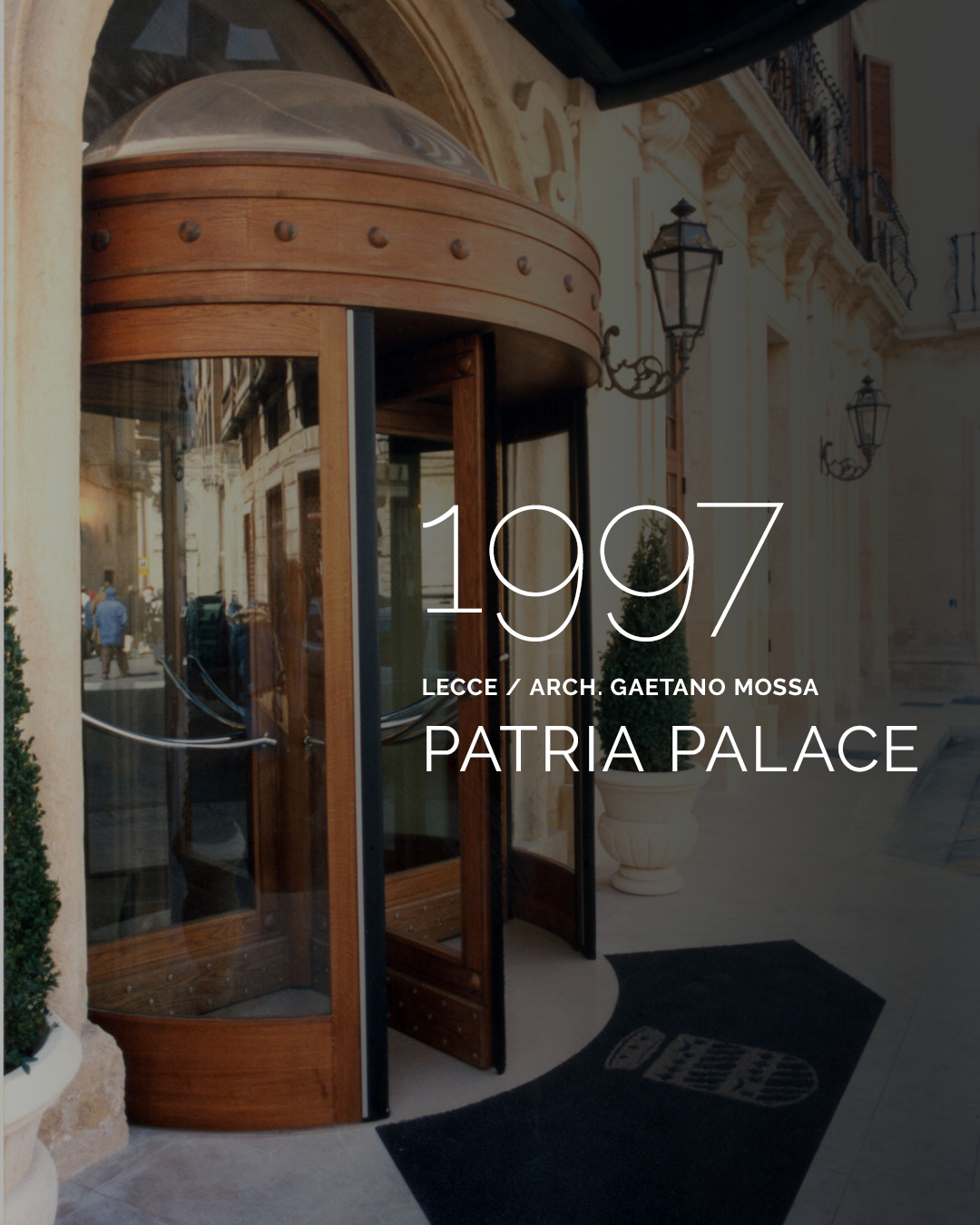
Among the projects completed by Devoto Design during those years, Claudio recalls hotels such as the Regina Hotel Baglioni and the Patria Palace, both reflecting an approach to hotel interiors in which decoration, woodworking craftsmanship and classical design elements played a central role.
Hotels were expected to convey prestige, and furnishings helped achieve this through materials, details and instantly recognisable aesthetic codes.
The 90s: the persistence of classical design
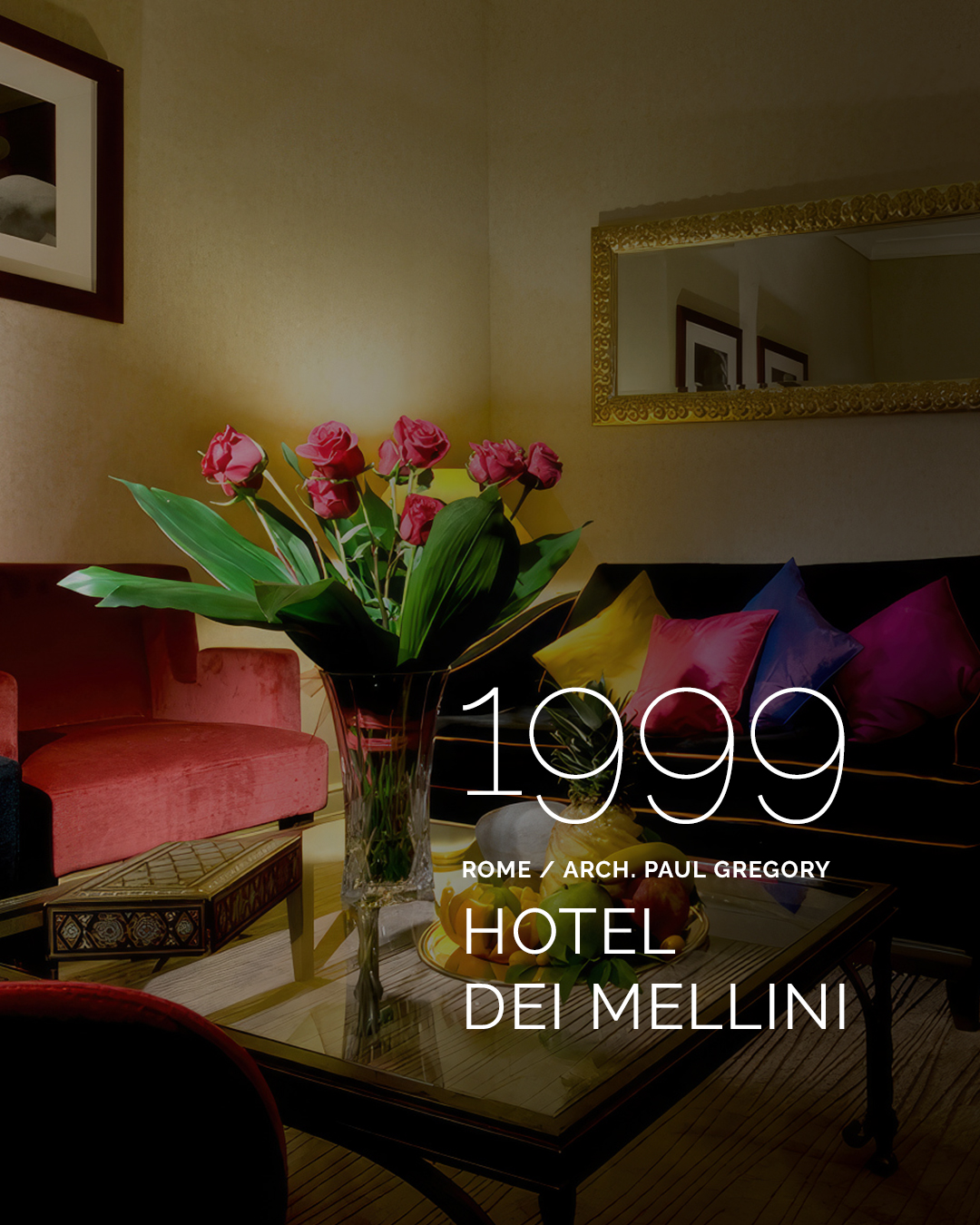
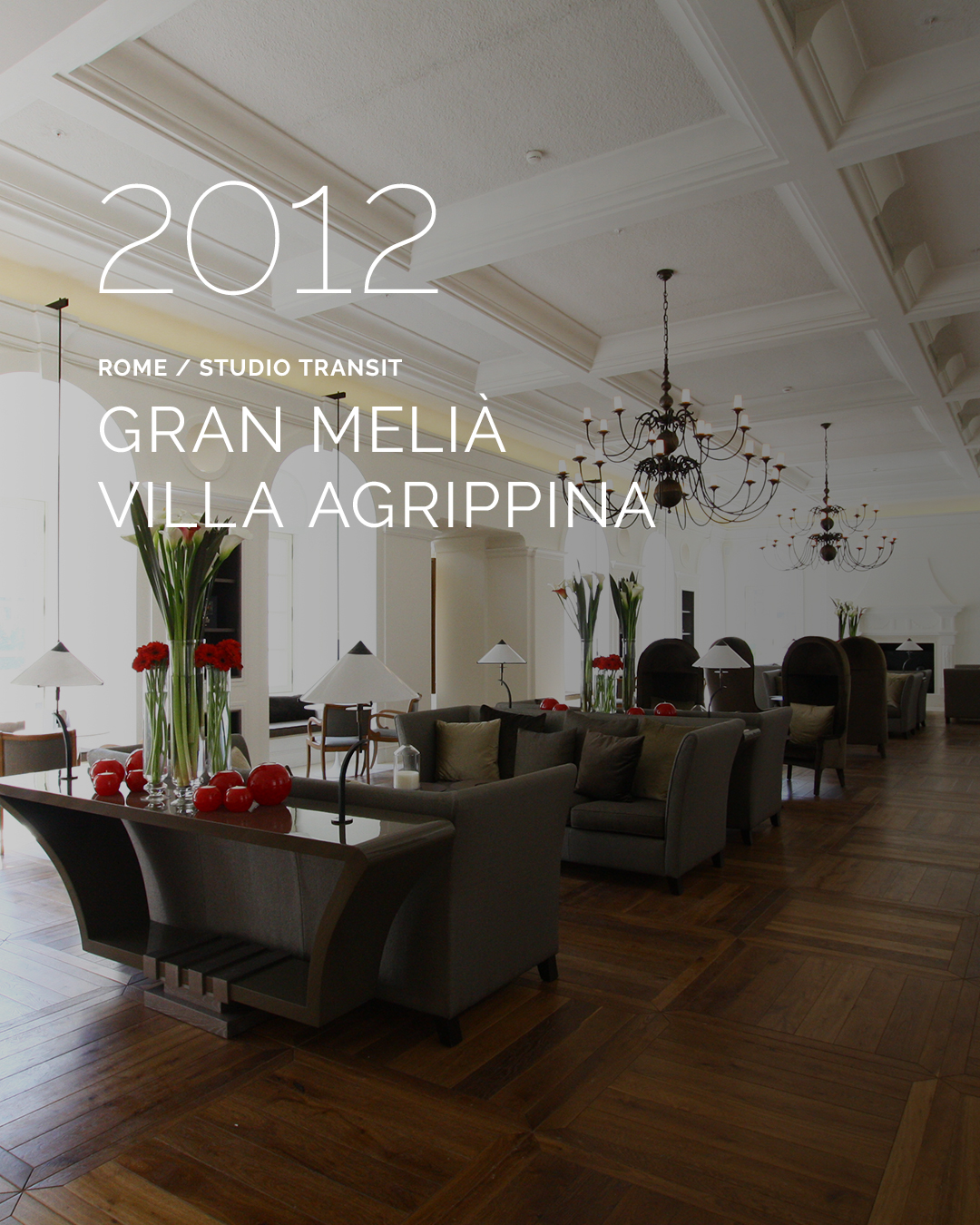
The transition into the 90s did not immediately mark a break with the hotel design trends of the previous decade. Mouldings, cornices, Serlian arches and decorative motifs continued to characterise many projects. Classical design elements were still considered among the highest expressions of elegance in hospitality interiors.
Yet it was during this decade that certain changes began to emerge, with significant implications for the design process. One major turning point, Claudio recalls, came in the form of new regulations. In 1994, fire safety regulations for hotels became more specific and stringent, introducing requirements that also influenced furniture and interior design choices.
From that point onwards, designing and delivering hospitality interiors increasingly meant addressing not only aesthetics and functionality, but also specific technical performance requirements.
The early 2000s: when hotels became expression of architecture
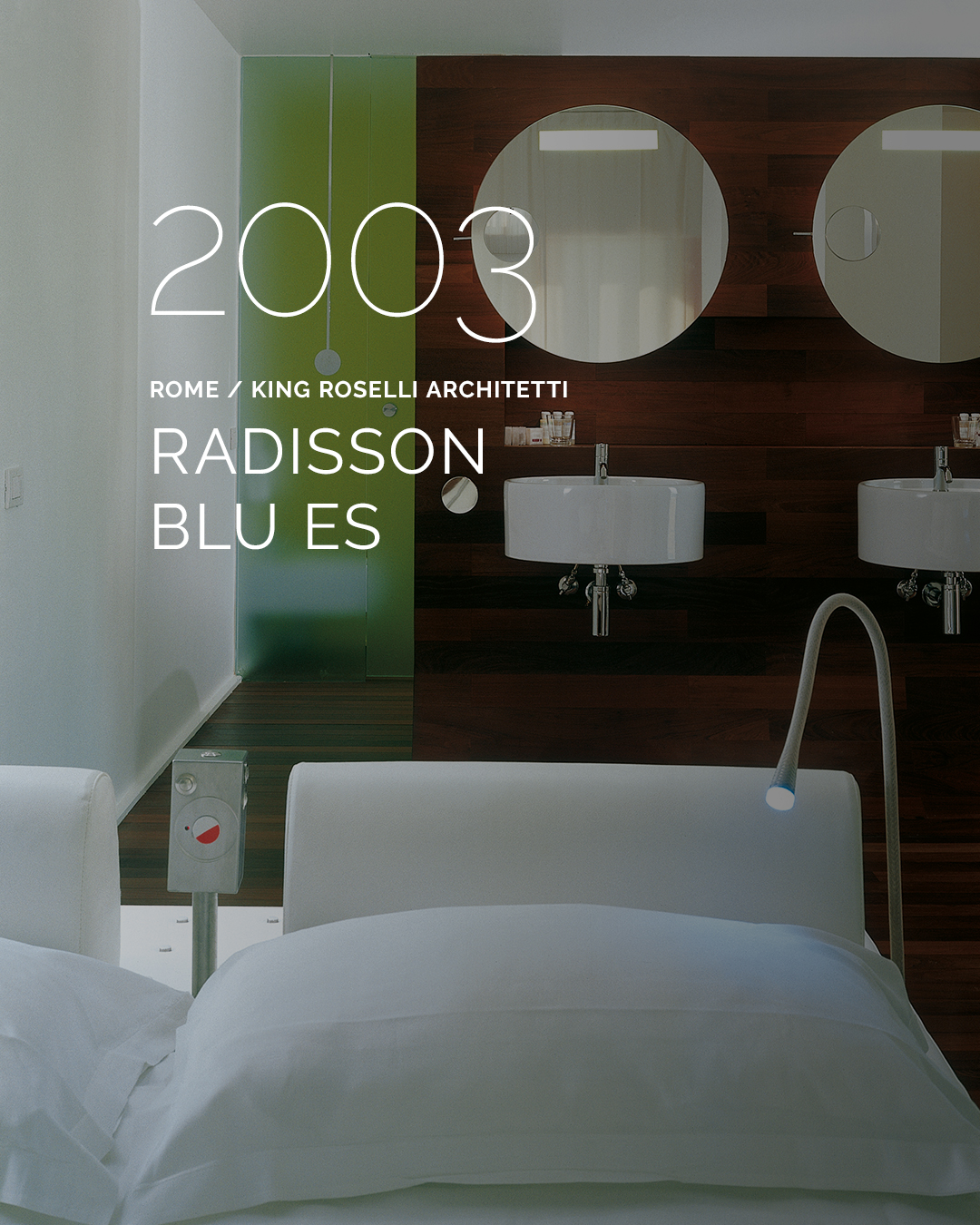
Claudio identifies the beginning of the 2000s as the period of the most significant transformation. For Devoto Design, one project that perfectly embodied this shift was the ES Hotel, developed in collaboration with the then King Roselli architectural practice.
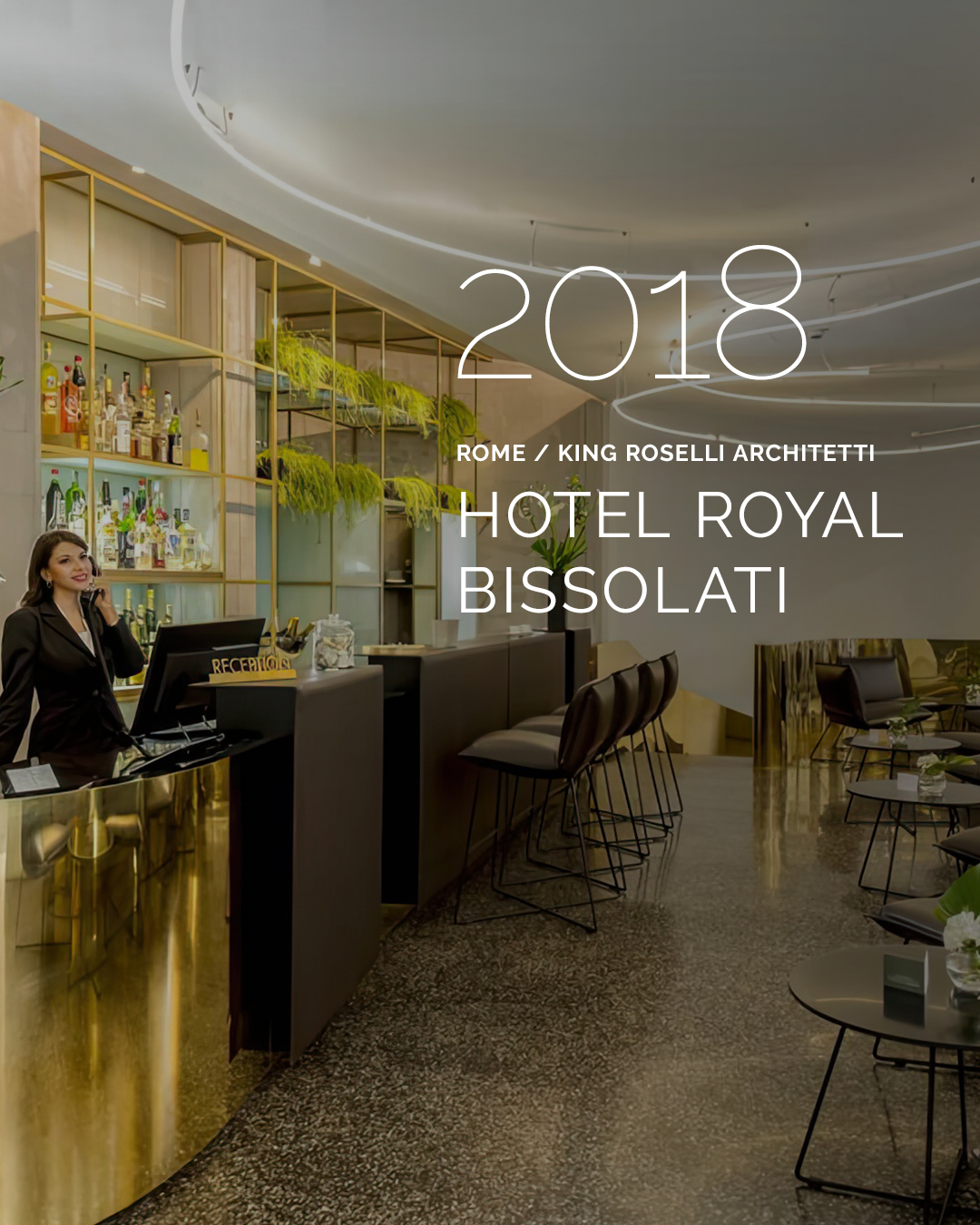
Architects began experimenting more freely, exploring different wood species, shapes and design languages. Guest rooms no longer necessarily had to be identical, furniture could become reconfigurable, and the reception desk could evolve into a defining feature of the overall design.
Curved forms also began to make a more prominent appearance, opening up new formal possibilities while introducing additional complexities in furniture manufacturing and construction. This marked the end of a dominant design language and the beginning of a period of extensive experimentation.
Hotels increasingly became an expression of architecture and design. Elegance based on established aesthetic conventions was no longer enough: the challenge was to create a distinctive identity that would set each property apart.
This transformation is now firmly established. Uniqueness, identity and the ability of a design to engage with its surroundings have become central elements of contemporary hotel design.
From pools to rooftops and spas: how the hotel spaces changed
The ES Hotel also provides an insight into another significant transformation.
The project featured a rooftop swimming pool, a particularly innovative feature at the time. Today, terraces and rooftops have become highly valued spaces, especially when they allow guests to connect with the outdoors and the surrounding environment.
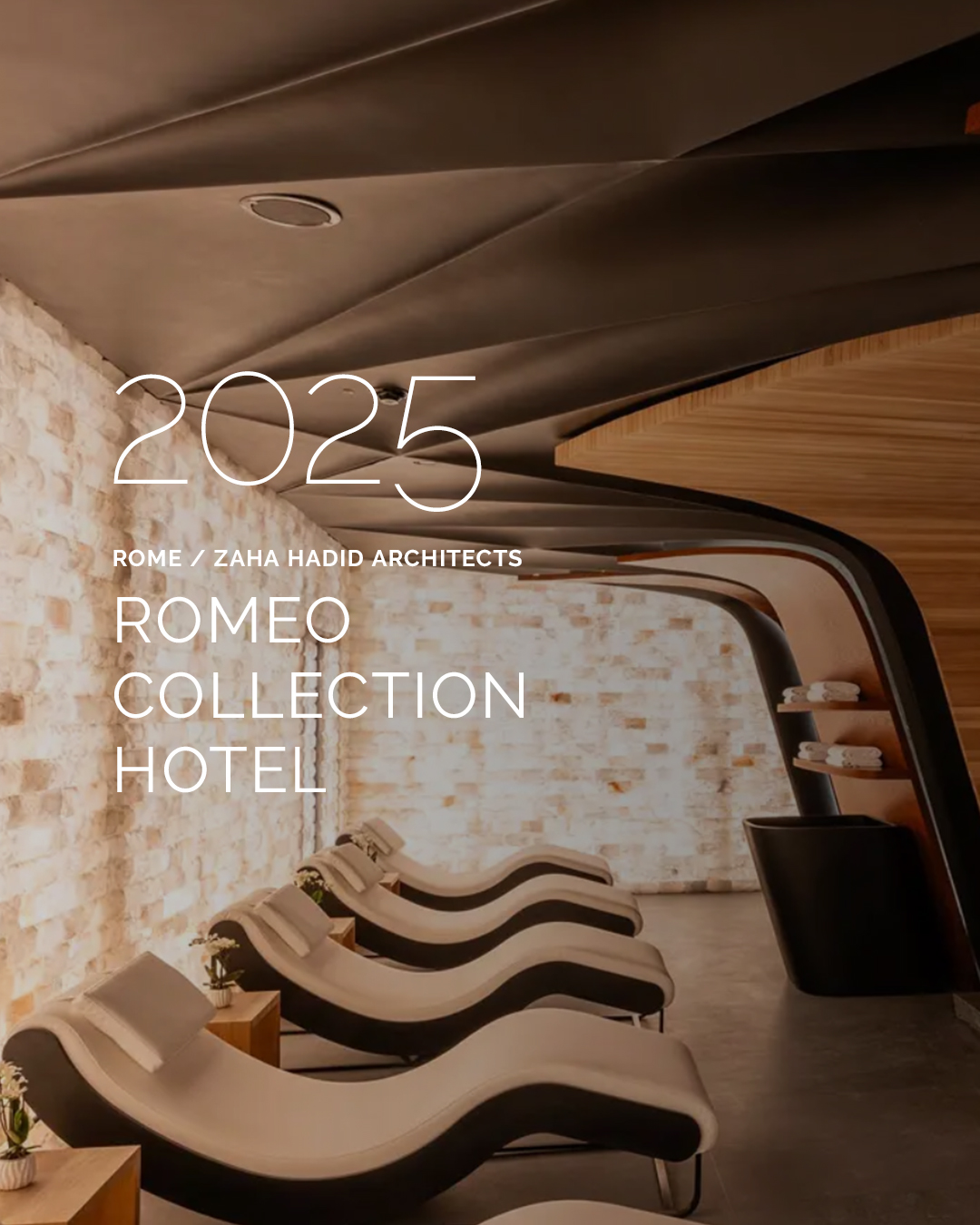
A similar evolution has taken place with spas. In the 90s, they were not necessarily found even in every five-star hotel. From the 2000s onwards, however, they began to gain increasing importance, leading to today’s landscape, where wellness facilities have become an increasingly relevant amenity even in four-star hotels.
Even business hotels, traditionally focused on conference facilities, meeting rooms and work-related services, have progressively incorporated gyms and wellness areas. In other words, hotels are no longer designed to fulfil a single purpose.
How Guest Rooms Have Evolved Alongside Their Guests
Guest rooms also clearly reflect the evolution of the hospitality industry.
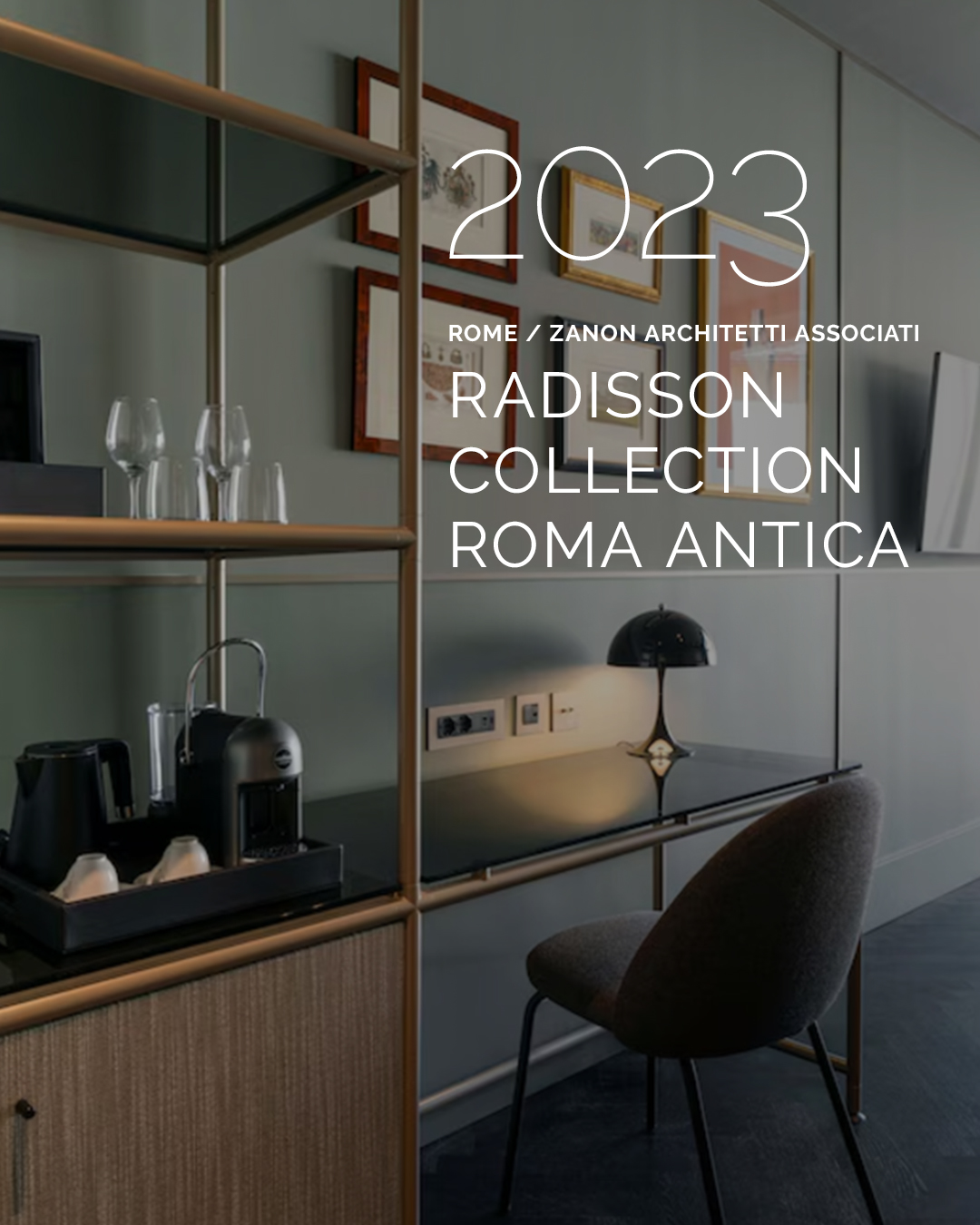
Today, for example, the distinction between business hotels and leisure hotels is more evident. In business hotels, guests generally stay for shorter periods and need a suitable space to work. As a result, wardrobe space may be reduced, while the desk becomes more important. In leisure hotels, the opposite is often true: storage requirements increase, while the workspace may become less prominent.
Bed sizes have also changed. King-size beds, now widely used, were not the standard in hotel projects during the 90s and early 2000s.
Then there are the small details that reveal major shifts in guest habits. The kettle for preparing tea, coffee or herbal infusions, now almost taken for granted in many hotels, was far from common in Italian hotels twenty years ago.
The same applies to integrated wardrobe lighting. Absent in the 90s and still relatively uncommon in the early 2000s, today designing a wardrobe without an integrated lighting system that activates when the doors are opened would seem almost outdated.
The bathroom moves out of the bathroom
Another significant transformation is about the relationship between the bedroom and the bathroom. Among the hotel design trends of recent years, there has been a gradual redefinition of the boundaries between these two spaces.
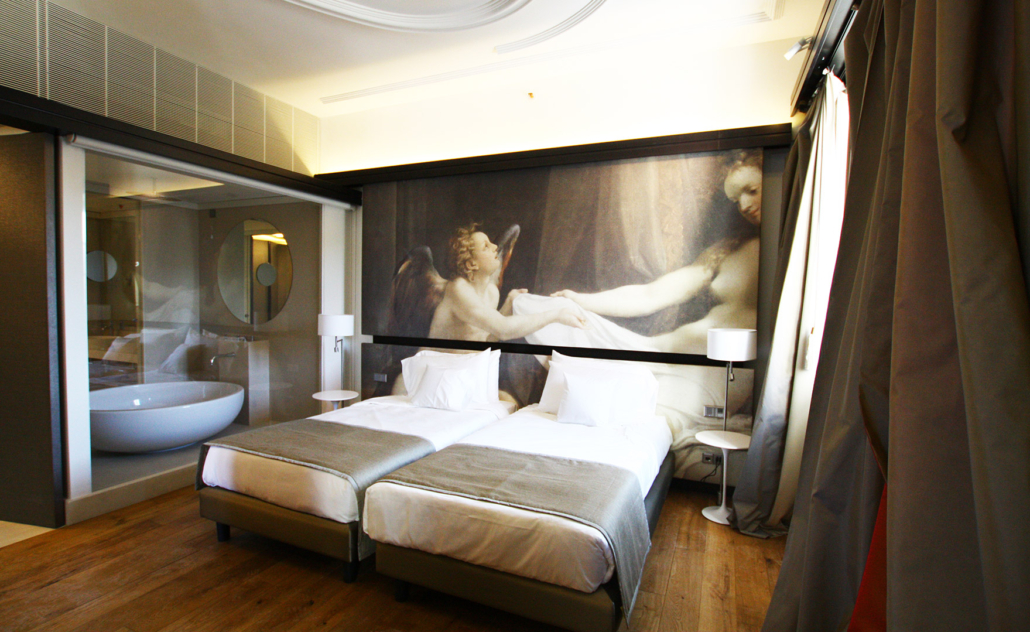
The toilet is increasingly housed in a separate area, while elements traditionally confined to the bathroom, such as the bathtub, shower or washbasin, can now extend into the bedroom, becoming an integral part of the interior design concept. This shift goes beyond aesthetics: it involves rethinking the very architecture of the room and the way guests interact with and use the space during their stay.
From cherry wood to oak: how materials have evolved in hotel design
Materials also offer a clear idea of the transition from one era to another, revealing how hotel design trends have evolved over time. While cherry wood was a recurring feature in the 80s and 90s, it has now virtually disappeared from contemporary hotel interiors. In recent years, oak, walnut and lacquered surfaces have become recurring elements in many projects.
However, this evolution in materials is not purely aesthetic. The way materials are used has also changed.
Claudio recalls, for example, how ipé wood flooring was used even in the communal areas of the ES Hotel. This was a far from conventional choice at a time when wooden flooring was generally avoided in high-traffic areas due to concerns about wear and deterioration. Experimentation, therefore, also meant challenging design principles that had previously been considered almost untouchable.
Acoustic comfort: silence becomes part of the design
Something that has gained increasing importance in recent years is undoubtedly acoustic comfort. Soundproofing guest rooms has become an essential component of the quality perceived by guests, but attention to acoustics now extends well beyond spaces dedicated to rest.
Restaurants, lobbies and public areas must also be designed with the acoustic behaviour of the environment in mind. Materials, finishes and construction solutions all contribute to creating spaces where people can converse, work or relax without noise compromising their experience. It is therefore no surprise that acoustic wellbeing continues to be recognised as a key consideration in contemporary hotel design.
Smart technology and automation: designing the invisible
Technological advances have introduced another layer of complexity. Today, smart room automation offers virtually endless possibilities for controlling the guest room environment, from lighting and climate control to the various services available to guests.
However, integrating technology also means rethinking what lies behind the furnishings. Electrical panels and building systems have become increasingly complex and bulky, and must be accounted for from the earliest stages of the design process. Room layouts and furnishings must therefore be carefully designed to accommodate an increasingly significant technological infrastructure without compromising aesthetics or functionality.
This is an aspect that often remains invisible to guests, yet is essential for those responsible for turning a design concept into a technically feasible, buildable reality.
Contemporary hotel design trends: more than just a room to sleep in
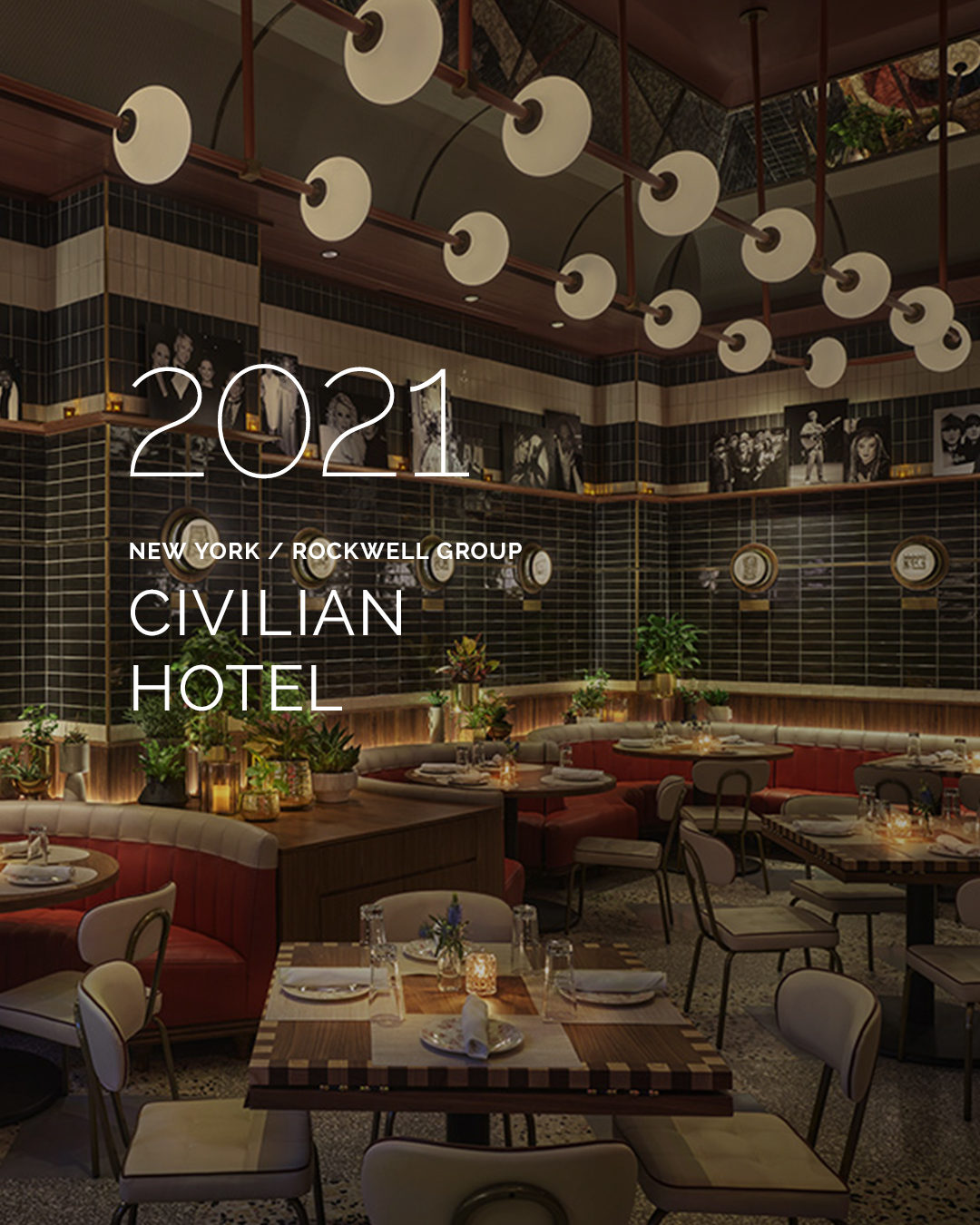
Looking back over the more than forty years described by Claudio, one fundamental change stands out: hotels have progressively expanded their role. While the quality of the guest room remains central, the guest experience increasingly encompasses the entire property.
Spas have become an important amenity, high-quality dining can help define a hotel’s brand identity, rooftops and gardens establish a connection with the outdoors, while gyms and wellness facilities are now being incorporated even into hotels traditionally catering to leisure and business travellers.
Public areas are no longer simply transitional spaces, but an integral part of the guest experience. This direction is also reflected in recent industry analyses, which identify social spaces, indoor-outdoor connections and the distinctive identity of each hotel among the key themes shaping contemporary hotel design.
At the same time, growing attention is being paid to everything that makes a stay more comfortable: from king-size beds to acoustic performance, from integrated technology to lighting, right down to seemingly minor details such as an illuminated wardrobe or the possibility of preparing a hot drink in the room.
Forty years of hotel design: styles change, but the challenge of bringing designs to life remains
From the intricate inlays of the 80s to today’s connected guest rooms, hotel design trends reveal far more than changing aesthetic preferences. They reflect shifts in people’s habits, the meaning of luxury, regulations, technology and expectations of hospitality — all factors that continue to shape the evolution of hotel design.
For companies like Devoto Design, whose work is to turn architectural concepts into reality, every evolution brings new challenges: experimenting with materials, engineering bespoke solutions, complying with regulations, integrating building systems and crafting custom-made details.
Design languages, wood species and functions change. Even what guests consider essential evolves over time.
What remains constant is the need to find, project after project, the best way to transform an architectural vision into a space designed to be experienced.
Find out more:


Leave a Reply
Want to join the discussion?Feel free to contribute!